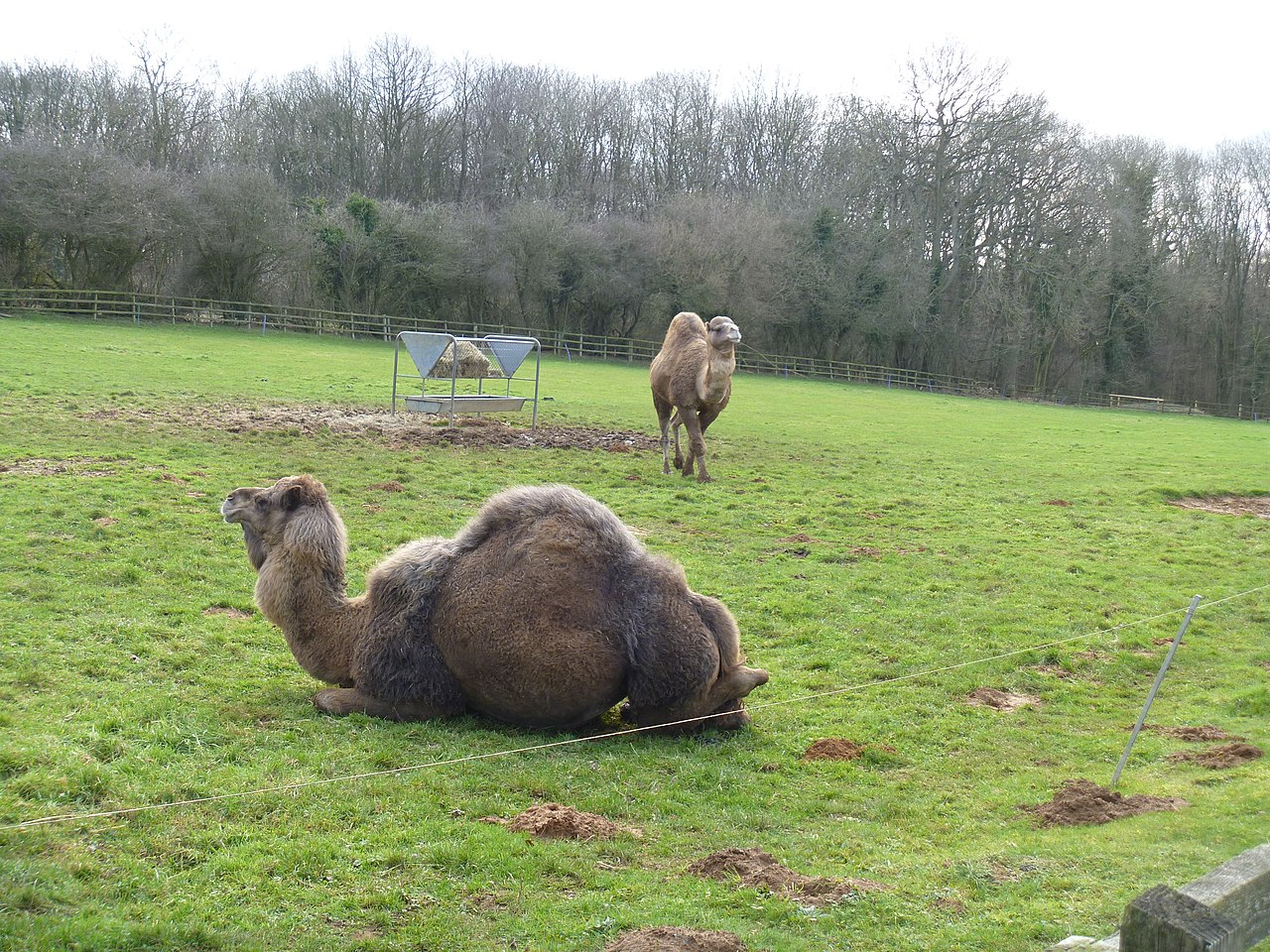
Heythrop Zoo Closure: End of an Era for Film & TV Animals
The curtain is falling on an unparalleled chapter in the world of animal talent, as Heythrop Zoological Gardens, the private Oxfordshire facility synonymous with film and television's most memorable animal stars, prepares to close its doors. Founded in 1977 by the visionary Jim and Sally Clubb, this unique establishment, also known as Amazing Animals, has for decades served as Europe's premier supplier of trained domestic and wild animals, gracing screens from Hollywood blockbusters to beloved BBC series. Its closure, announced as owner Jim Clubb retires at 71, marks not just the end of a business, but the close of a truly distinctive era for animal training and welfare in media production.
Unlike conventional public zoos that invite daily general admission, Heythrop operated on an appointment-only basis, prioritising the welfare and specialised training of its diverse collection. From majestic big cats and intelligent primates to large herbivores and charming penguins, the animals at Heythrop were not merely exhibits but highly trained performers, meticulously prepared for the rigours of film sets, still photography, and live events. Their contribution to the audiovisual industry has been immense, making Heythrop a hidden gem that shaped countless cinematic moments.
A Vision Takes Shape: The Genesis of Heythrop Zoological Gardens
The story of Heythrop Zoological Gardens began in 1977, when Jim Clubb, leveraging his extensive experience in animal handling and performance, established the facility with his then-wife Sally Clubb. Situated on a former sawmill site near Chipping Norton in the picturesque Cotswolds, the initial vision was clear: to create a private zoo and animal training centre dedicated to supplying the burgeoning film, television, and advertising industries. This was Jim Clubb's lifelong dream—a self-sustaining private zoo that could support itself through specialized animal services, rather than relying on public ticket sales.
What emerged was a facility that was truly one of a kind. Heythrop was designed as an "exaggerated version of a classic zoo," yet with modern animal care and ethical training at its very heart. This meant state-of-the-art veterinary facilities, climate-controlled housing, and specialized enclosures that facilitated behavioral training rather than mere display. The focus was always on developing a core collection of species amenable to training, ensuring their comfort and readiness for media work. This meticulous approach allowed Heythrop to move beyond traditional circus-style coercion, championing positive reinforcement and a deep understanding of animal psychology.
By the early 1980s, Heythrop, operating its media arm as Amazing Animals, had already secured contracts for high-profile projects, cementing its transition from a passionate startup to a key player in the UK's audiovisual sector. Its private nature allowed for unparalleled control over animal interactions, minimizing stress and maximizing welfare, a critical factor for the demanding environment of film production.
Stars Behind the Scenes: Heythrop's Unrivalled Contribution to Film and TV
For decades, Heythrop Zoological Gardens remained an unsung hero behind some of the most iconic animal performances on screen. As Europe's top supplier of trained animals for film, Heythrop provided a unique and invaluable service to producers and directors worldwide. Its reputation was built on its ability to not only provide a diverse array of animals but also to train them to perform specific, often complex, actions on cue.
The list of credits associated with Heythrop's animals is extensive and impressive. From the magical creatures in the beloved *Harry Potter* films to the fantastical beasts of *Doctor Who*, Heythrop's residents brought authenticity and life to countless narratives. Major productions like *The Legend of Tarzan* and *Mowgli: Legend of the Jungle* utilized the facility's expertise, demonstrating its capacity for handling large-scale, international projects requiring highly specialized animal actors.
What made Heythrop so indispensable? Beyond the sheer talent of its animals and trainers, it was the integrated approach. The facility itself, with its varied landscapes and purpose-built sets, could double as a film location, offering a controlled and secure environment ideal for challenging animal shoots. This meant productions could often bring their teams to Heythrop, reducing the logistical complexities and stresses of transporting animals to external locations. For a deeper dive into its operational model, you can read more about Inside Heythrop Zoo: The Private UK Hub for Animal Film Stars. The emphasis on ethical training methods and animal welfare also reassured studios increasingly conscious of public perception.
Key reasons Heythrop was a cinematic powerhouse:
- Expert Training: Decades of experience in conditioning animals for specific on-screen behaviors.
- Diverse Talent Pool: A wide array of species, from exotic big cats to domesticated farm animals.
- Integrated Facilities: The ability to serve as both a training ground and a film set, offering a controlled environment.
- Welfare-Focused Approach: Prioritizing animal health and minimizing stress through careful management.
- Logistical Solutions: Streamlining the complex process of involving animals in high-pressure productions.
Beyond the Camera: Community Outreach and Ethical Considerations
While Heythrop's primary identity revolved around its cinematic contributions, the facility also extended its unique animal encounters beyond the professional realm. Operating on an appointment-only basis, it offered valuable educational animal encounters for schools and community groups, providing insights into animal behavior, conservation, and welfare standards. These controlled interactions aimed to foster a deeper understanding and respect for the animal kingdom.
Perhaps one of the most heartwarming aspects of Heythrop's work was its community outreach to care homes and hospices. Taking its beloved penguins on the road, Heythrop brought moments of joy and wonder to those in vulnerable circumstances, demonstrating a compassionate dimension beyond the demands of show business. These visits underscored the therapeutic power of animal interaction and highlighted the positive impact Heythrop sought to make in the wider community.
However, Heythrop's unique private status and its founder's historical ties to circus training did not escape scrutiny from animal rights advocates. Concerns were periodically raised regarding licensing, ethical practices in animal supply chains, and the broader implications of using animals in entertainment. Jim Clubb and Heythrop Zoological Gardens consistently emphasized their commitment to self-regulation and adherence to the highest welfare standards, striving to operate transparently within the framework of their private model. This ongoing dialogue reflects the evolving societal views on animal use and the continuous push for greater accountability in all sectors involving captive animals.
The End of an Era and a Lasting Legacy
Jim Clubb's decision to close Heythrop Zoological Gardens has been described by him as "not taken lightly." At 71, after dedicating his entire life to his dream, the time has come for retirement. "It has been my entire life. I have enjoyed every moment," Clubb reflected, encapsulating the profound personal connection to the facility he built from the ground up.
The closure of Heythrop leaves a significant void in the UK and European film and television industry. Its unique blend of specialized animal training, comprehensive welfare provisions, and on-site production capabilities made it an irreplaceable asset. In an era where CGI often substitutes for practical animal effects, Heythrop stood as a testament to the enduring power and realism that only truly trained animals can bring to the screen. For directors and producers, the loss of Heythrop means a re-evaluation of how animal talent will be sourced and managed in future productions, potentially shifting towards more international suppliers or greater reliance on digital alternatives.
Beyond the logistical challenges, the closure represents the end of a remarkable legacy—one built on passion, expertise, and an unwavering commitment to both animal welfare and cinematic excellence. Jim Clubb's vision created a benchmark for ethical animal training for media, proving that animals could be stars while maintaining their dignity and well-being. As Heythrop Zoo prepares for its final curtain call, its story will undoubtedly endure in the annals of film history and animal training, reminding us of the extraordinary bond between humans and the animal kingdom when creativity and care converge.