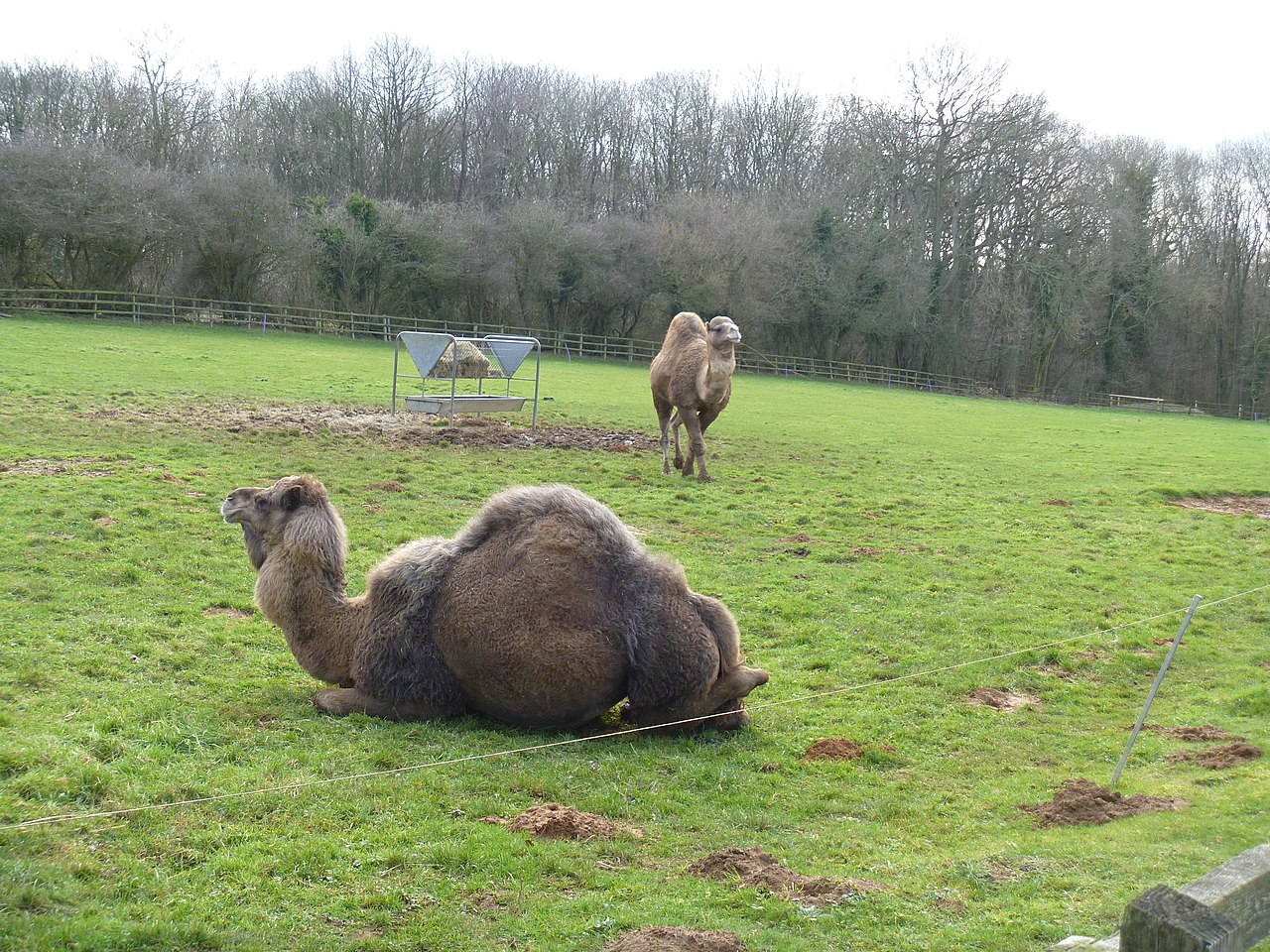
Inside Heythrop Zoo: The Private UK Hub for Animal Film Stars
In the enchanting world of film and television, where imagination takes flight, animals often play some of the most memorable roles. From majestic lions to cunning primates, and even the smallest creatures, their performances add unparalleled realism and charm to countless productions. But have you ever wondered where these incredibly talented animal actors come from, and how they become so adept at their craft? For decades, one name stood out as a quiet powerhouse behind these cinematic moments: Heythrop Zoological Gardens, more commonly known as Heythrop Zoo.
Nestled discreetly in the picturesque Cotswolds region of Oxfordshire, England, Heythrop Zoo was no ordinary public attraction. It was a unique, private institution, purpose-built and dedicated to the intricate art of training exotic animals for the demanding world of media. Far from the bustling crowds of typical zoos, Heythrop Zoo carved out a niche as Europe's premier supplier of trained animals, shaping the very fabric of animal performances on screen and stage.
From Sawmill to Star Sanctuary: The Genesis of Heythrop Zoological Gardens
The story of Heythrop Zoo began in 1977, an ambitious vision brought to life by husband-and-wife team, Jim and Sally Clubb. On the site of a former sawmill in Heythrop, near Chipping Norton, they laid the foundation for what would become an unparalleled facility. Jim Clubb, with his extensive background in animal handling and live performance, envisioned a private zoological collection that would primarily serve the burgeoning film, television, and advertising industries.
Unlike conventional public zoos that prioritize visitor entertainment, Heythrop Zoo's design and operational philosophy were centered entirely around the welfare and training needs of its animal residents. From the outset, the Clubbs focused on constructing specialized enclosures, integrating modern veterinary facilities, and climate-controlled housing. This bespoke infrastructure was crucial for supporting year-round operations and ensuring the highest standards of animal health and comfort, essential for the demanding schedules of media work. The early years saw the collection grow, focusing on species known for their intelligence and trainability, such as big cats, primates, and various large herbivores and equines. The emphasis was always on ethical training methods, a distinct departure from traditional, often coercive, circus-style practices. By the early 1980s, the facility, operating under the name Amazing Animals, had already secured contracts for high-profile projects, quickly establishing itself as an indispensable asset to the UK's audiovisual sector.
The "Amazing Animals" Legacy: Training for the Silver Screen
Operating as Amazing Animals, Heythrop Zoo quickly gained a formidable reputation as Europe's leading provider of trained domestic and wild animals. Their residents weren't just animals; they were carefully selected and meticulously trained performers ready for feature films, television productions, still photography shoots, and even live events. The sheer breadth of their animal "talent pool" was astounding, encompassing everything from awe-inspiring big cats and intelligent primates to majestic large herbivores and a variety of birds and reptiles.
The facility itself was designed as an "exaggerated version of a classic zoo," as Jim Clubb described it, but with modern animal care at its heart. This unique architecture, combined with state-of-the-art facilities, made Heythrop Zoo the perfect self-contained film and TV location. Directors and producers could find both the animals and the ideal backdrop for their scenes without needing to transport creatures to far-flung, potentially stressful locations. This integrated approach was a game-changer for the industry.
The list of productions featuring animals from Heythrop Zoo reads like a who's who of cinematic and television history. Their stars appeared in beloved franchises such as the Harry Potter films, adding magical creatures and background animals to the wizarding world. They graced episodes of the iconic sci-fi series Doctor Who, brought wilderness to life in blockbusters like The Legend of Tarzan, and added realism to Netflix's Mowgli: Legend of the Jungle. The success wasn't just in the animals' ability to perform tricks, but in their capacity to convey emotion and interact naturally on cue, a testament to the patient and positive reinforcement training techniques employed by Heythrop's skilled trainers. It takes immense dedication and mutual trust to achieve such results, where the animals are not merely props but true collaborators in the storytelling process.
Beyond the Cameras: Educational Outreach and Public Perception
While Heythrop Zoo primarily served the entertainment industry, its mission extended beyond the glitz and glamour of film sets. Though it deliberately operated without daily general admission, ensuring minimal stress for its training animals, the facility did offer appointment-only access for various educational and community initiatives. These included valuable educational animal encounters for students, school visits designed to foster a deeper understanding of animal behavior and welfare, and heartwarming community outreach programs to care homes and hospices. Imagining the joy of residents meeting penguins or other fascinating creatures brought directly to them highlights the profound impact Heythrop Zoo had beyond its primary commercial endeavors.
However, operating a private zoo with exotic animals, particularly one with historical ties to animal performance and self-regulation, inevitably drew scrutiny. Animal rights advocates, concerned about licensing and ethical practices in animal supply chains, often raised questions. Heythrop Zoo consistently emphasized its commitment to high welfare standards and ethical training methods, distinct from the traditional circus model. Their self-regulation and focus on controlled interactions were presented as key to maintaining optimal animal welfare, allowing for a concentrated focus on the specific needs of their unique collection without the constant pressures of public display. This balance between commercial operation and dedicated animal care was a defining, if sometimes controversial, aspect of their identity.
The Grand Finale: Jim Clubb's Retirement and the End of an Era
After decades of pioneering work and unwavering dedication, the extraordinary journey of Heythrop Zoological Gardens came to a poignant close. In a significant announcement that reverberated through the film industry and animal welfare communities, Heythrop Zoo revealed it would shut its doors at the end of May 2023. The decision stemmed from the retirement of its visionary founder, Jim Clubb, at the age of 71.
Clubb, whose life was inextricably woven with the zoo, stated that the decision "has not been taken lightly," expressing gratitude for the immense support received over the years. His dream, initially conceived in 1977 with his late ex-wife Sally, had blossomed into a global leader. "It was always my dream to have a private zoo but I had to be able to support it," he reflected. "It has been my entire life. I have enjoyed every moment." His passion for classic zoo architecture, combined with a relentless pursuit of modern animal care, made Heythrop Zoo truly unique – "the only one of its kind in the world," as he proudly stated.
The closure marks the end of a remarkable chapter, not just for Jim Clubb and his team, but for the entire entertainment industry that relied on Heythrop Zoo's unparalleled expertise. While the physical gates may close, the legacy of Amazing Animals, and the countless film stars they nurtured, will undoubtedly live on in the annals of cinema and television history. For more on the specifics of the closure, you might be interested in reading Heythrop Zoo Closure: End of an Era for Film & TV Animals. To delve deeper into its market position, check out Heythrop Zoo: Europe's Top Supplier of Trained Animals for Film.
The story of Heythrop Zoo is a powerful reminder of how dedication, specialized knowledge, and a passion for animals can create a truly unique and impactful enterprise. Jim and Sally Clubb's vision transformed a former sawmill into a sanctuary for animal talent, bringing magic to our screens and leaving an indelible mark on both the animal training world and the global entertainment industry.