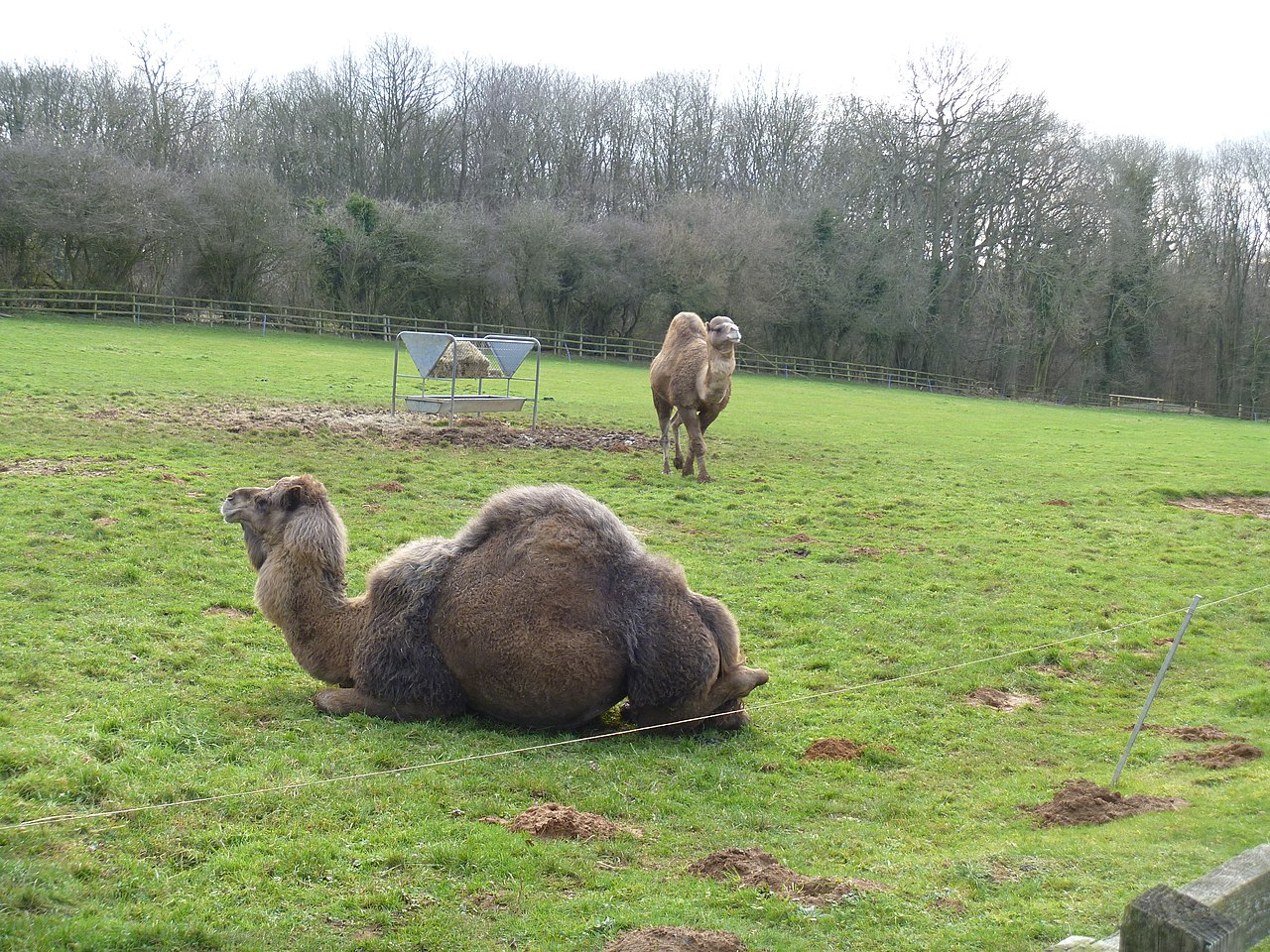
Heythrop Zoo: Europe's Top Supplier of Trained Animals for Film
In the picturesque Cotswolds region of Oxfordshire, England, lay a truly unique facility that shaped the way animals appeared on screen for decades. Heythrop Zoological Gardens, often operating under the professional banner of Amazing Animals, wasn't your typical zoo. Founded in 1977, it evolved into Europe's leading private zoological collection and a powerhouse training centre, meticulously preparing a diverse range of species for the demanding worlds of feature films, television productions, still photography, and live events. From majestic big cats to intelligent primates and robust large herbivores, Heythrop Zoo was the undisputed go-to for producers seeking animal talent with unparalleled precision and professionalism.
The Visionary Foundation of Heythrop Zoo and Amazing Animals
The story of Heythrop Zoo began with the ambitious vision of Jim Clubb and his late ex-wife, Sally Clubb. In 1977, they transformed a former sawmill site in Heythrop, near Chipping Norton, into a facility unlike any other. Leveraging Jim Clubb's extensive background in animal handling and performance – initially honed in live exhibitions – the couple set out to create a specialised private zoo and animal training hub. Their primary goal was to supply trained animals for the burgeoning film, television, and advertising industries, a niche that traditional public zoos were neither equipped nor designed to fill.
Unlike conventional zoos focused on visitor entertainment, Heythrop prioritised bespoke enclosures and environments tailored for behavioural training and the stringent welfare standards required for media work. From its earliest days, the collection focused on species commonly sought after in productions, such as big cats, primates, and various equines. Infrastructure grew organically, incorporating state-of-the-art veterinary facilities and climate-controlled housing essential for year-round operation and the highest standards of animal health. Crucially, the Clubbs committed to modern, ethical training methods, consciously distancing themselves from the coercive techniques often associated with traditional circus acts. This foundational commitment to positive reinforcement and animal welfare became a hallmark of Heythrop Zoo, allowing it to rapidly secure contracts for high-profile projects by the early 1980s and firmly establish itself as a critical supplier in the UK's audiovisual sector.
Mastering the Art of Animal Training for the Big Screen
What truly set Heythrop Zoo apart was its extraordinary expertise in training animals specifically for the camera. The demands of film and television are immense: animals need to perform precise actions on cue, often within complex sets, alongside human actors, and under varying conditions with multiple takes. This requires not only highly intelligent animals but also trainers who possess a profound understanding of animal behaviour, psychology, and the technicalities of filmmaking.
Heythrop's trainers employed advanced, humane techniques centered on positive reinforcement, building trust, and understanding the natural instincts and capabilities of each animal. This methodology ensured that the animals were not merely performing tricks, but rather engaging in behaviours they were comfortable with, carefully shaped and cued. From a lion hitting a specific mark, to a monkey interacting with a prop, or an elephant performing a nuanced movement, the training at Heythrop was about precision, consistency, and above all, the safety and welfare of the animal. They fostered an environment where animals could thrive and perform reliably, a critical factor for producers working with tight schedules and budgets.
The diversity of their animal 'actors' was also remarkable. Heythrop housed everything from magnificent tigers and lions to intelligent chimpanzees, playful penguins, majestic elephants, and various birds and reptiles. This vast "talent pool," combined with their proven ethical training practices, made Heythrop Zoo an indispensable resource for filmmakers seeking authenticity and compelling animal performances.
A Star-Studded Legacy: Heythrop's Impact on Film & Television
Over its decades of operation, Heythrop Zoo became synonymous with iconic animal performances on screen, boasting an impressive filmography that reads like a who's who of British and international productions. Their animals graced the sets of blockbuster franchises like the Harry Potter films, captured imaginations in episodes of Doctor Who, brought authenticity to major features such as The Legend of Tarzan, and contributed to the epic storytelling of Mowgli: Legend of the Jungle. Beyond these, countless commercials, documentaries, and still photography campaigns benefited from Heythrop's unique services.
Filmmakers repeatedly turned to Heythrop for several key reasons. Firstly, their reputation for producing reliable, well-trained animal actors was unmatched. Producers knew that an animal from Heythrop would be professionally handled, perform consistently, and integrate seamlessly into complex shooting environments. Secondly, the facility itself became a dedicated film location by 1988, offering purpose-built sets designed to replicate various wild environments or even an "exaggerated version of a classic zoo," as founder Jim Clubb described it. This allowed for greater control over filming conditions, reducing logistical challenges and costs for production companies.
For any filmmaker, the availability of a trusted partner like Heythrop Zoo was invaluable. It ensured not just the stunning visual impact of real animal talent, but also adherence to the highest welfare standards, an increasingly important consideration in modern filmmaking. To delve deeper into the unique setup of this remarkable facility, explore Inside Heythrop Zoo: The Private UK Hub for Animal Film Stars.
Beyond the Set: Education, Outreach, and Ethical Considerations
While Heythrop Zoo primarily served the entertainment industry and operated without daily general public admission, its mission extended beyond the camera lens. The facility played a crucial role in education and community engagement, offering appointment-only access for structured educational animal encounters and school visits. These interactions provided valuable insights into animal behaviour and welfare, demonstrating the standards of care upheld at the gardens.
Moreover, Heythrop Zoo engaged in heartwarming community outreach initiatives. Their "penguins on the road" programme, for instance, saw these charming birds visit care homes and hospices, bringing joy and unique interactions to residents and patients. These efforts showcased a different facet of Heythrop's commitment – using their animal ambassadors to enrich lives and foster a greater appreciation for the animal kingdom, even if the primary focus was not public display.
However, as a private zoological collection with historical ties to animal training for performance, Heythrop's operations did draw scrutiny from animal rights advocates over licensing and ethical practices. Heythrop consistently maintained a focus on self-regulation and adherence to welfare standards, operating under strict governmental oversight as a licensed zoo. The delicate balance between demonstrating animal behaviour for educational or entertainment purposes and ensuring unimpeachable ethical care is a continuous dialogue within the animal industry, and Heythrop Zoo often found itself at the heart of this discussion, always striving to uphold its commitment to animal welfare.
The Curtain Falls: Jim Clubb's Retirement and a Legacy Remembered
In a poignant announcement that marked the end of an era, Heythrop Zoological Gardens confirmed its closure at the end of May, following the retirement of its visionary founder, Jim Clubb. At 71, Clubb's decision was, as he stated, "not taken lightly," reflecting the profound personal dedication he invested into the facility. "It has been my entire life. I have enjoyed every moment," he shared, encapsulating decades of passion and pioneering work.
The closure of Heythrop Zoo leaves a significant void in the audiovisual industry, which relied heavily on its unparalleled expertise and diverse animal talent. Jim Clubb's dream of establishing a private zoo that could sustain itself through media work became a remarkable reality, shaping animal performances in countless productions. The facility, which he designed with a love for "classic zoo architecture" while ensuring modern animal care, was truly "unique, the only one of its kind in the world." Its absence will undoubtedly prompt the industry to seek new solutions for ethical animal talent. For more details on this significant development, read Heythrop Zoo Closure: End of an Era for Film & TV Animals.
Heythrop Zoo's legacy is one of groundbreaking innovation in animal training, unwavering commitment to animal welfare in media, and an indelible impact on the visual storytelling landscape. Jim and Sally Clubb's vision created a benchmark for excellence, demonstrating how animals could safely and ethically contribute to the magic of film and television. While its doors may have closed, the remarkable contributions of Heythrop Zoo and its amazing animal stars will continue to resonate through the countless productions they enriched.